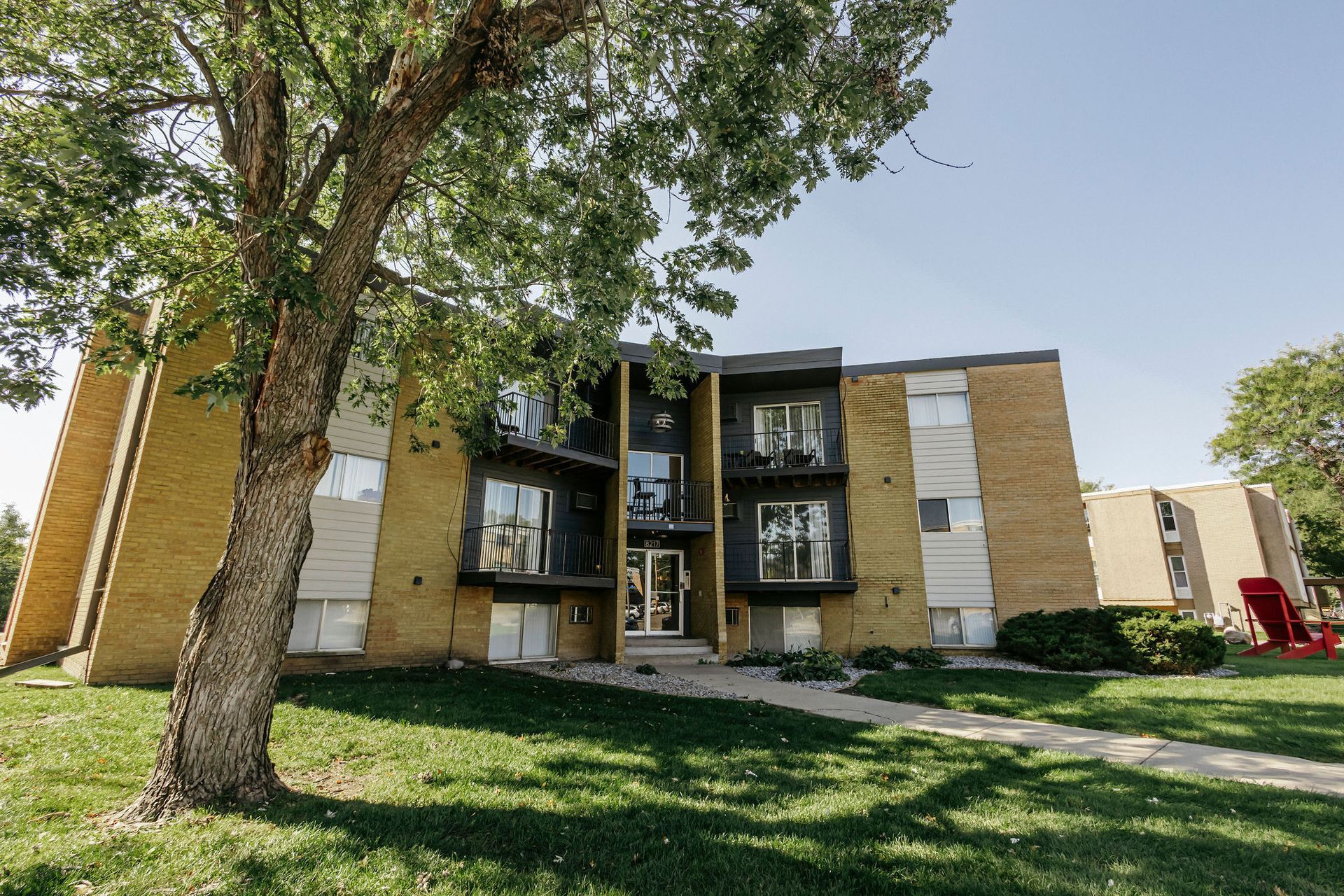

Anoka County Multi-Family Property Manager: Operational Insights for Submarket Success
Anoka County continues to emerge as a vital growth engine for multi-family real estate investments in the northern Twin Cities metro area. Spanning bustling submarkets like Coon Rapids, Blaine, Anoka, Fridley, and Ramsey, the region offers real estate investors a rare mix of high renter demand, stable suburban job corridors, and consistent population growth.
However, translating Anoka County’s strong demographic tailwinds into optimal Net Operating Income (NOI) takes more than standard property oversight. Multi-family assets—from garden-style apartment communities to suburban townhome developments—require hyper-local operational strategies tailored to the unique economic and regulatory landscape of Anoka County.
Whether you own a 20-unit asset in Fridley or a large multi-family portfolio in Blaine, implementing these proven operational insights will help maximize retention, protect physical capital, and drive long-term yields.
1. Navigating Municipal-Specific Licensing & Inspection Standards
Unlike unified urban centers, Anoka County is made up of distinct municipalities—each enforcing its own municipal rental housing ordinances, point-of-sale requirements, and periodic safety inspection schedules.
Operational Key Points:
- Localized City Compliance: A rental property operating in Coon Rapids faces different local licensing rules and inspection intervals than one located in the historic City of Anoka or Blaine.
- Proactive Pre-Inspection Audits: Experienced multi-family property managers conduct internal unit and common-area audits 30 to 60 days before municipal city inspectors arrive. Resolving smoke detector placement, egress blockages, or minor handrail fixes in advance avoids costly reinspection fees and delayed rental license renewals.
2. Managing Seasonal Maintenance and Submarket HVAC Needs
Minnesota weather presents unique operational challenges that directly impact multi-family capital expenditure (CapEx) and operational expense (OpEx) budgets. In suburban Anoka County communities, seasonal transition protocols are critical.
Operational Key Points:
- Winterization & Boiler/Furnace Preventative Service: Many mid-century multi-family buildings in submarkets like Fridley and Columbia Heights rely on central hydronic heating systems. Conducting fall boiler servicing and backflow testing before the first freeze prevents catastrophic winter pipe bursts and emergency service overtime costs.
- Snow Removal & Parking Lot Logistics: Clear contractual thresholds for snow removal (e.g., automatic dispatch at a 1-inch snow accumulation) and structured parking rules keep resident access smooth while reducing slip-and-fall liability risks.
3. Submarket Rent Positioning & Value-Add Renovations
Renter demographics across Anoka County value clean, modern finishes, efficient floor plans, in-unit amenities, and proximity to major transit routes like Highway 10, I-35W, and the Northstar Commuter Rail.
Operational Key Points:
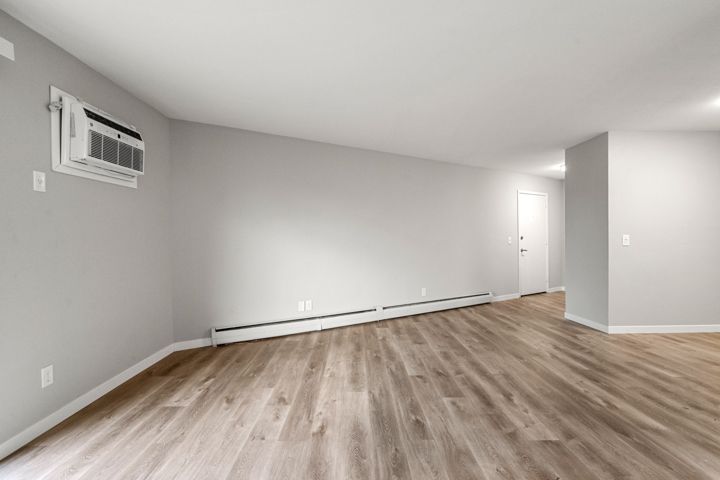
- Strategic Unit Upgrades: Executing high-ROI unit turns—such as updating cabinet hardware, installing luxury vinyl plank (LVP) flooring, and upgrading lighting fixtures—allows owners to capture premium rental rates without requiring full structural overhauls.
- Dynamic Local Pricing: Rent pricing should reflect specific neighborhood dynamics rather than broad countywide averages. Utilizing hyper-local market data ensures unit pricing matches real-time submarket demand in specific corridors like Blaine or Coon Rapids.
4. Resident Retention Driven by Community & Technology
High resident turnover is one of the single largest friction points for multi-family NOI. Maintaining high retention rates across suburban multi-family properties requires efficient digital tools paired with responsive, hands-on customer service.
Operational Key Points:
- Tech-Enabled Convenience: Offering 24/7 online resident portals for electronic rent payments, maintenance tracking, and communication reduces administrative friction and streamlines cash flow.
- Responsive Maintenance Delivery: Establishing prompt turnarounds on daily work orders fosters long-term tenant satisfaction, transforming seasonal renters into multi-year lease renewals.
5. Financial Transparency and Capital Improvement Planning
Successful multi-family ownership depends on precise financial reporting and forward-looking capital reserve planning.
Operational Key Points:
- Detailed Monthly Statements: Multi-family asset owners should expect clear monthly cash flow statements, rent roll breakdowns, and real-time expense tracking via an accessible owner portal.
- Multi-Year CapEx Roadmaps: Planning ahead for major capital expenditures—such as roof replacements, parking lot seal-coating, and exterior siding upgrades—prevents emergency special assessments and keeps cash flow predictable.
Key Operational Checklist for Anoka County Multi-Family Owners
Before finalizing your property management operational strategy, ensure your team checks these boxes:
- Are your properties fully compliant with municipal rental licensing laws in your specific city?
- Do you have established seasonal maintenance protocols for Minnesota's winter freeze and summer humidity cycles?
- Is your unit turn process optimized to complete high-quality renovations within 7 to 10 days?
- Are your rental rates benchmarked against hyper-local neighborhood competitors rather than broad regional averages?
Maximize Your Anoka County Investment Potential
Unlocking peak operational performance for multi-family assets in Anoka County requires deep regional insight, proactive maintenance strategy, and hands-on execution. At Skyline Real Estate Services, we specialize in professional multi-family leasing, full-service management, capital project oversight, and value-add property repositioning across the Twin Cities metro area.
Looking to boost performance or evaluate your multi-family portfolio in Anoka County? Reach out to the Skyline team today to start a conversation.
Frequently Asked Questions
What are the main growth drivers for multi-family housing in Anoka County?
Anoka County benefits from strong employment corridors, expanded highway infrastructure, access to suburban retail centers, and strong demand from residents seeking quality rental housing outside the core urban center.
How do municipal rental licensing rules vary across Anoka County cities?
Each city within Anoka County operates under its own municipal building and housing codes. Cities like Blaine, Coon Rapids, and Fridley set distinct rental licensing fees, inspection timelines, and occupancy standards that property managers must navigate individually.
What is the ideal timeline for unit turnover in a multi-family property?
An efficient unit turnover process should take between 5 and 10 business days. This timeframe allows for inspection, repairs, paint touch-ups, deep cleaning, and hardware or flooring upgrades to minimize vacancy loss between tenants.
How does seasonal maintenance impact multi-family operational costs in Minnesota?
Seasonal weather extremes require dedicated preventative maintenance, including boiler and HVAC servicing, roof/gutter clearing, and professional snow removal contracts. Proactive seasonal management prevents costly emergency repairs and protects overall NOI.
Skyline Blog