
Apartment Building Renovation Management: How to Execute Value-Add Upgrades in Occupied Buildings
Executing a value-add strategy on an apartment building is the single most effective way to force appreciation, raise Net Operating Income (NOI), and elevate portfolio performance. However, renovating a completely vacant asset is luxury few real estate investors enjoy. In most real-world scenarios—especially when repositioning mid-size multi-family properties across Minneapolis, St. Paul, and broader Hennepin or Anoka County submarkets—renovations must happen while residents are actively living in the building.
Managing capital improvement projects in an occupied environment introduces serious operational complexities. Unmanaged construction noise, unexpected utility shutoffs, dust accumulation, and blocked common areas can quickly lead to tenant dissatisfaction, negative online reviews, lease defaults, and costly legal friction.
Successfully balancing major value-add upgrades with resident satisfaction requires a disciplined operational strategy. Here is how expert multi-family operators manage occupied apartment renovations to protect cash flow, maintain high retention, and seamlessly capture rent premiums.
1. Differentiate Between In-Unit Turns and Common-Area Upgrades
Executing occupied building renovations requires dividing your capital expenditure (CapEx) strategy into two distinct categories: Common-Area Repositioning and Occupied vs. Turn-Based In-Unit Upgrades.
Common-Area Upgrades (Occupied Scope):
Building upgrades like hallway carpet replacements, lobby redesigns, exterior siding, LED lighting retrofits, security system installations, and exterior painting take place while everyone is living on-site.
- The Goal: Modernize the asset’s overall aesthetic without interrupting daily residential access.
- Execution Strategy: Phase the work floor-by-floor or section-by-section. Ensure main entryways, fire exits, and mailroom access remain clear and safe at all times.
In-Unit Upgrades (Turn-Based Scope):
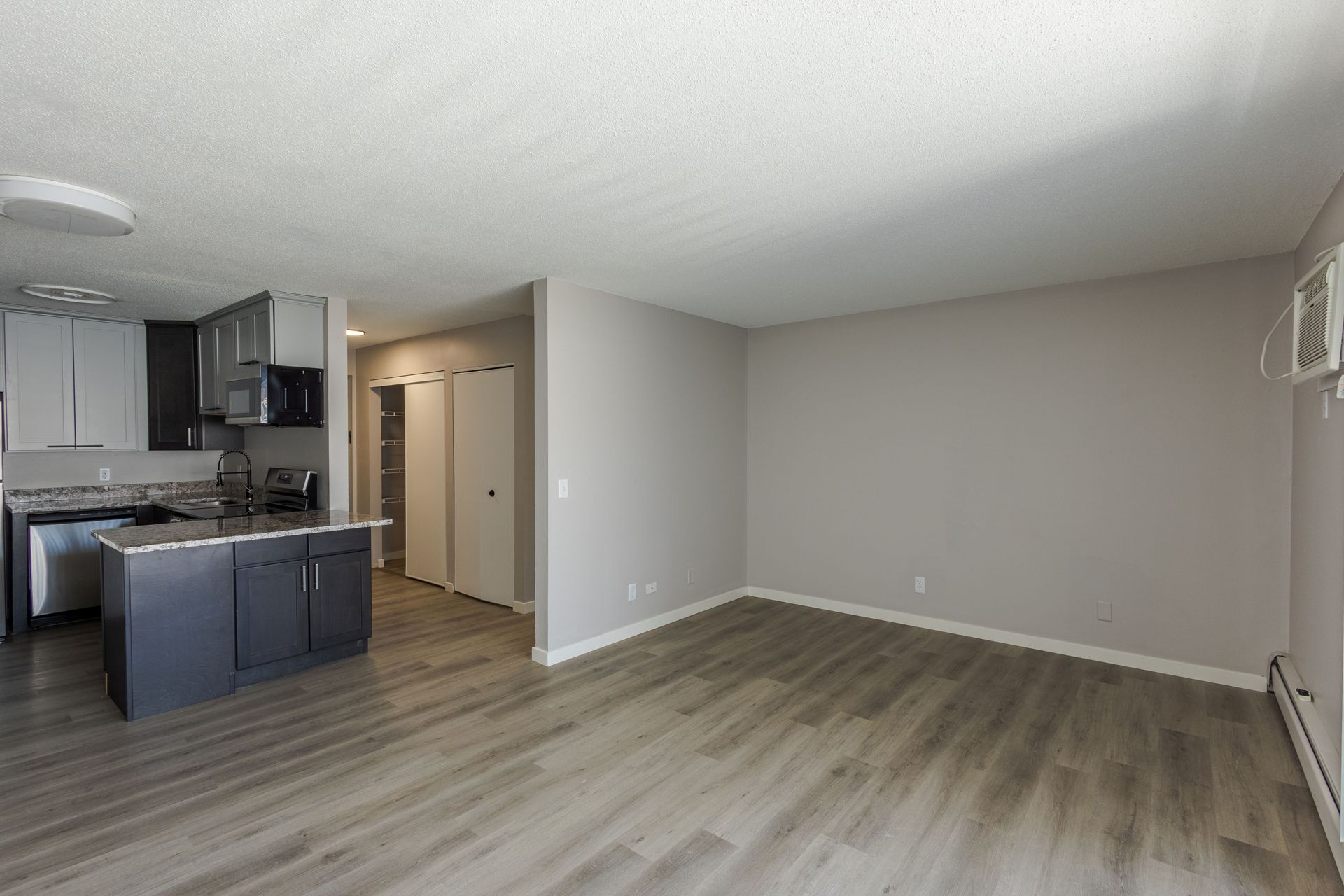
While cosmetic items (such as replacing cabinet hardware or installing keyless smart locks) can easily be done during an occupied unit service call, major renovations—like laying down Luxury Vinyl Plank (LVP) flooring, replacing kitchen countertops, or gutting bathrooms—are best executed during standard tenant turnover windows.
- The Goal: Achieve maximum rent lifts on vacant units while avoiding intrusive multi-day disruption for existing residents.
- Execution Strategy: Limit full in-unit overhauls to 5–10 business days between lease transitions. Pre-order all materials and coordinate trade vendors before the outgoing tenant turns in keys.
2. Establish Proactive, Multi-Channel Tenant Communication
Resident frustration rarely stems from the renovation itself; it stems from surprises. Establishing clear, advance communication transforms potential resident friction into an organized, predictable process.
Strategic Communication Protocols:
- Advance Construction Notices: Provide residents written notice at least 7 to 14 days before major building work begins. Detail what work is being done, expected start and end dates, and daily working hours.
- Targeted Daily Alerts: For high-impact disruptions—such as short-term water main shutoffs for plumbing upgrades or temporary parking lot closures for repaving—send digital SMS and email reminders 24 to 48 hours in advance.
- Dedicated Point of Contact: Designate a single point of contact (such as your local property manager or site supervisor) so residents know exactly who to reach out to with questions or concerns.
3. Enforce Strict On-Site Working Rules & Vendor Standards
When hiring trade contractors for occupied building work, technical skill is only half the equation. Vendors must also respect the building as a living community, not just an open construction site.
Critical Contractor Rules to Enforce:
- Strict Working Hours: Limit heavy noise, demolition, and power tool usage strictly to weekdays between 8:00 AM and 5:00 PM. Weekend construction should be prohibited unless handling urgent safety repairs.
- Daily Clean-Up Requirements: Require contractors to sweep common hallways, vacuum dust, clean elevators, and remove construction debris daily before exiting the property.
- Protected Common Areas: Mandate the use of heavy-duty floor protection runners, elevator padding, and plastic dust barriers to keep common areas spotless and prevent building damage.
- Designated Staging Areas: Designate specific areas for contractor parking, tool storage, and dumpster placement to keep resident parking spaces open.
4. Sequence Capital Upgrades to Preserve Building Safety & Comfort
Proper project sequencing prevents utility downtime and keeps residents safe throughout the construction lifecycle.
Recommended Renovation Sequence:
- Building Envelope & Safety First: Complete necessary roof repairs, exterior lighting, security upgrades, and main mechanical servicing (such as central boiler or HVAC prep) before starting interior aesthetic overhauls.
- Common Area Modernization: Upgrade hallways, lobbies, and shared amenities to instantly boost curb appeal and set a modern tone for current and prospective residents.
- Turn-Based In-Unit Upgrades: Roll out full interior unit transformations systematically as leases end, capturing maximum rent premiums without displacing existing residents.
Occupied Renovation Operational Checklist
Before starting your next value-add renovation project in an occupied apartment building, run through this operational checklist:
- Have advance notices been sent to all residents with exact dates, working hours, and contact details?
- Are trade contractors bound by strict daily work-hour limits and mandatory daily cleanup rules?
- Have floor runners, dust protection barriers, and elevator padding been installed in shared hallways?
- Is all material inventory (flooring, lighting, hardware) on-site and verified before starting work?
Professional Renovation Execution in the Twin Cities
Managing value-add apartment renovations in occupied buildings requires a balance of clear resident communication, strict vendor oversight, and hands-on operational leadership. At Skyline Real Estate Services, we specialize in full-service multi-family property management, occupied asset repositioning, value-add renovation execution, and capital project oversight across Minneapolis and the Twin Cities metro.
Planning an occupied building renovation or looking to optimize your multi-family portfolio’s NOI? Contact the Skyline team today to learn how we execute value-add projects smoothly and efficiently.
Frequently Asked Questions
Can you renovate apartment unit interiors while a tenant is living in the unit?
Yes, minor cosmetic updates like keyless entry lock installations, cabinet hardware refreshes, or fixture upgrades can easily be completed while occupied. However, major renovations involving flooring replacements, kitchen overhauls, or bathroom tile work are best executed during 5-to-10-day vacant unit turn windows to prevent severe resident disruption.
How much advance notice should property managers give residents before building renovations start?
Property managers should provide written notice at least 7 to 14 days prior to commencing major building projects. For short-term disruptions like utility shutoffs or parking area paving, send additional digital reminders 24 to 48 hours in advance.
What are the best hours for construction work in an occupied apartment building?
Standard working hours for occupied building renovations are Monday through Friday, 8:00 AM to 5:00 PM. Noisy work, demolition, or power tool usage should strictly be avoided during evenings and weekends to maintain resident comfort.
How do occupied building renovations impact tenant retention?
Unplanned disruptions can lead to tenant dissatisfaction and non-renewals. However, when managed proactively with clear communication, clean common areas, and visible property improvements, occupied renovations often increase tenant pride, community satisfaction, and long-term lease retention.
Skyline Blog