How to Manage Capital Improvement Projects in Twin Cities Apartments from Out of State
Investing in Twin Cities multi-family real estate—spanning Minneapolis, St. Paul, and thriving submarkets in Hennepin and Anoka counties—offers out-of-state capital funds, private equity investors, and remote property owners compelling cap rates and resilient rental demand. However, executing major capital improvement projects (CapEx) from hundreds or thousands of miles away presents distinct operational hurdles.
Whether you are renovating 50 unit interiors, replacing a flat commercial roof, or upgrading a central hydronic boiler system, remote project oversight can quickly suffer from scope creep, budget overruns, trade contractor delays, and local compliance oversights if you lack a structured operational framework.
Managing multi-family CapEx remotely requires combining precise digital oversight with trusted local execution on the ground. Here is how out-of-state investors successfully plan, track, and complete capital improvement projects across Twin Cities apartment communities to maximize Net Operating Income (NOI) and preserve asset equity.
1. Establish Detailed Scopes of Work and Fixed-Price Bids
Miscommunication is the primary driver of CapEx budget overruns in remote real estate management. Never rely on generic line items or verbal estimates from out-of-state contractors.
Remote Best Practices:
- Itemized Technical Scopes: Document exact specifications, material SKUs, paint color codes, hardware models, and finish details down to the brand name before soliciting bids.
- Stipulated Sum (Fixed-Price) Contracts: Utilize fixed-price or Guaranteed Maximum Price (GMP) contracts rather than time-and-materials structures to protect your capital budget against unexpected labor inflation.
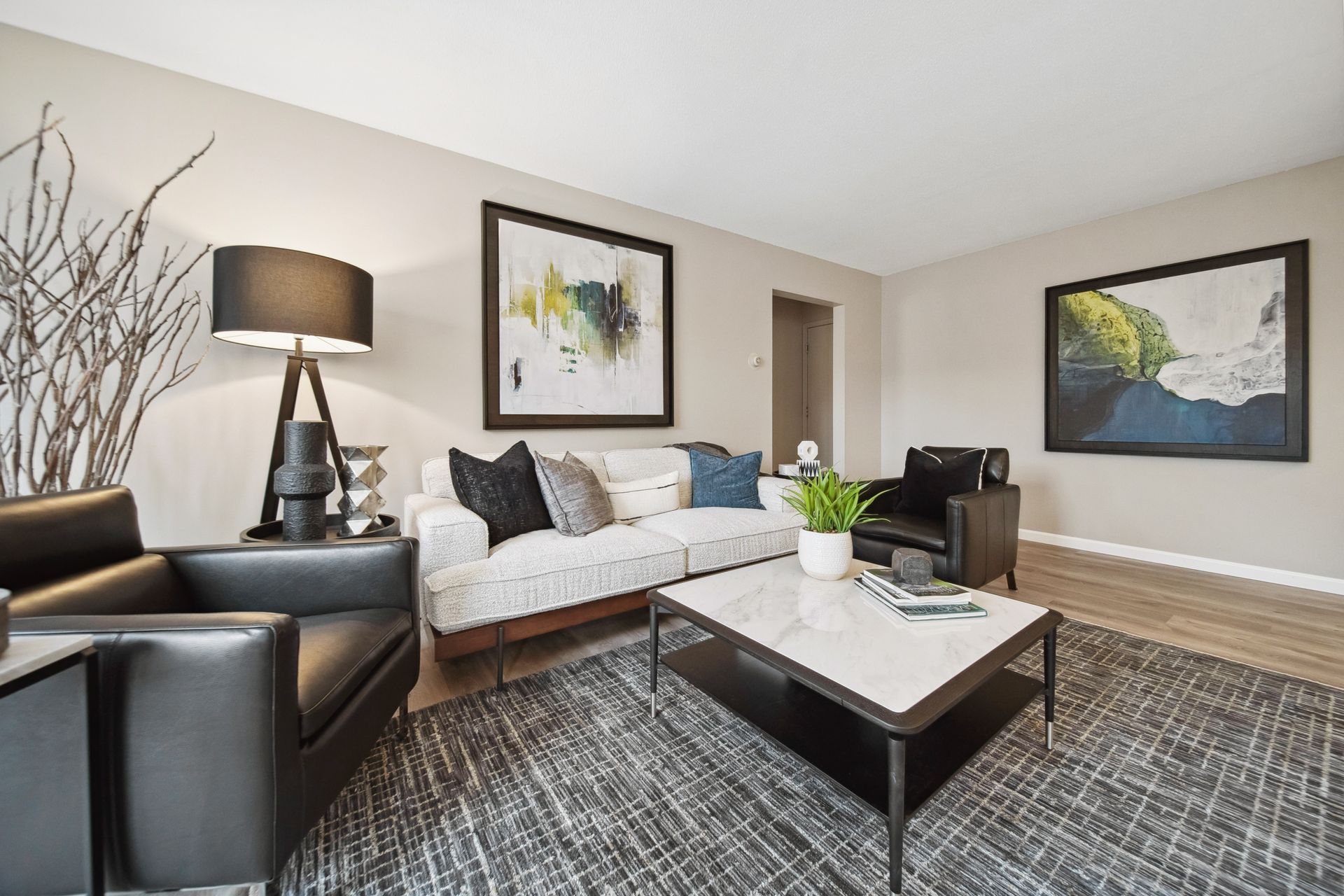
- Standardized Palette for Portfolios: Out-of-state owners with multiple Twin Cities assets should standardise luxury vinyl plank (LVP) flooring, cabinet finishes, and light fixtures across all units. This simplifies bulk material sourcing and speeds up turn times.
2. Factor In Minnesota’s Seasonal Construction Windows
Minnesota’s severe winter weather directly dictates the execution timeline for exterior and mechanical CapEx projects. Failing to account for local climate constraints will lead to costly project shutdowns and physical asset damage.
Seasonal CapEx Guidelines:
- Exterior Projects (May through October): Schedule exterior siding, asphalt paving, concrete repouring, masonry tuckpointing, and exterior painting strictly during the warmer, dry months.
- Heating System & Boiler Overhauls (Spring/Summer): Replace or service central hydronic boilers, commercial water heaters, and furnace banks during spring or summer. Shutting down heat systems for major repairs between November and April risks frozen, burst pipes and severe property liability.
- Winter Interior Turns: Focus winter capital investments strictly on interior unit turns, common-area hallway upgrades, lighting retrofits, and basement amenity build-outs.
3. Require Local Municipal Permitting and Pre-Inspection Compliance
Municipalities across the Twin Cities metropolitan area—including Minneapolis, Brooklyn Center, Maple Grove, and Coon Rapids—maintain strict building codes, trade licensing rules, and rental housing inspection standards.
Compliance Safeguards:
- Mandatory Contractor Permitting: Ensure your agreement requires contractors to pull all necessary municipal plumbing, electrical, HVAC, and structural permits prior to starting work. Unpermitted work can result in city stop-work orders and municipal fines.
- Pre-Inspection Audits: Coordinate with your local property management team to conduct pre-inspection walks before city inspectors evaluate major electrical or mechanical work.
4. Leverage Cloud Technology and Digital Reporting for Remote Oversight
You don't need to fly into Minneapolis-St. Paul International Airport every fortnight to verify renovation progress. Modern property technology provides complete, real-time visibility into project milestones.
Digital Tracking Protocol:
- Milestone-Based Photo & Video Audits: Require contractors or your local management partner to upload high-resolution photo logs and video walkthroughs before approving progress draw payments.
- 24/7 Owner Portal Access: Utilize integrated property management software (such as AppFolio) to review vendor invoices, track CapEx line items, and audit budget-versus-actual variances in real time.
- Lien Waiver Release Protocols: Never release progress payments without collecting signed lien waivers from general contractors, subcontractors, and material suppliers to protect your property title.
5. Partner with a Hands-On Local Property Manager
The most critical asset for an out-of-state investor managing CapEx is a dependable, boots-on-the-ground operational partner. A local management firm serves as your owner's representative—conducting unexpected site visits, verifying contractor quality, and ensuring unit turns stay on schedule.
What a Local Operating Partner Handles:
- Vetting and managing local trade vendor networks to secure competitive pricing.
- Coordinating contractor access with current residents to minimize disruption and tenant dissatisfaction.
- Seamlessly transitioning completed, value-add units directly to the leasing market to minimize vacancy loss.
Remote CapEx Management Checklist
Before releasing initial deposits on your next Twin Cities capital project, verify these critical steps:
- Is the scope of work fully itemized with fixed material specifications and fixed contractor pricing?
- Have all necessary trade permits been pulled through the local municipal city office?
- Does the payment agreement tie draw disbursements directly to verified, photo-documented milestones and signed lien waivers?
- Is your seasonal timeline aligned with Minnesota's weather windows for exterior and mechanical work?
Your On-the-Ground Partner in the Twin Cities
Managing capital projects across Twin Cities multi-family assets from out of state requires local expertise, disciplined project oversight, and absolute financial transparency. At Skyline Real Estate Services, we serve as the primary local operational partner for remote investors, private equity funds, and out-of-state owners. From full value-add unit renovations to large-scale mechanical and exterior CapEx oversight, we protect your investment and optimize NOI.
Planning a capital improvement project or evaluating an asset acquisition in the Twin Cities? Contact the Skyline team today to learn how our hands-on local management drives results.
Frequently Asked Questions
How can out-of-state investors ensure contractors are completing CapEx work correctly?
Remote investors should partner with a local property management team that performs on-site progress checks. Require detailed photo/video walkthroughs, tie progress payments to specific completed milestones, and collect signed lien waivers before releasing funds.
What is the best time of year to complete capital improvements in Minnesota apartments?
Exterior projects (roofing, paving, siding) and central boiler/heating overhauls must be completed during the late spring, summer, or early fall. Winter months should be reserved for interior unit turns and common-area upgrades.
Do I need permits for interior unit renovations in Twin Cities apartment buildings?
Cosmetic updates like painting or replacing flooring typically do not require permits. However, electrical modifications, plumbing relocations, HVAC upgrades, or structural changes require permits from the local city building department (e.g., Minneapolis or Hennepin County municipalities).
How do local property managers save remote investors money on CapEx?
Local property managers leverage established regional vendor networks to secure bulk pricing, prevent contractor overcharging, enforce strict turn schedules to reduce vacancy loss, and ensure all work complies with local municipal rental codes.
Skyline Blog