Value-Add Multi-Family Management: How Small Unit Upgrades Drive Big Rent Premiums
In today's competitive multi-family real estate market, relying solely on organic market rent growth is rarely enough to hit target returns. Whether you own a 10-unit garden apartment in Minneapolis or a 100-unit community in Hennepin or Anoka County, unlocking true equity growth requires a proactive value-add multi-family management strategy.
Value-add management doesn't mean executing costly, down-to-the-studs structural overhauls. In fact, full-scale gut renovations often carry long vacancy periods and inflated capital expenditure (CapEx) budgets that dilute overall yield.
Instead, the most profitable multi-family operators focus on high-impact, low-friction unit upgrades—targeted cosmetic and functional improvements that dramatically elevate a unit’s visual appeal, command immediate rent premiums, and shorten vacancy turn times.
Here is how smart, value-add property management transforms standard apartment turns into powerful engines for Net Operating Income (NOI) growth.
The Math Behind Value-Add Unit Renovations
Before picking out paint swatches or cabinet hardware, it helps to look at how modest rent increases compound into substantial property equity.
Because commercial multi-family assets are valued primarily on their Net Operating Income (NOI) using submarket capitalization rates (Cap Rates), every additional dollar collected in monthly rent directly multiplies your property's overall valuation.
The Value-Add Multiplier in Action:
- Target Rent Premium: $150 per unit, per month ($1,800 annually per unit)
- Portfolio Size: 20 units = $36,000 in additional annual NOI
- At a 6.0% Market Cap Rate: That $36,000 increase in NOI adds $600,000 in forced equity value to the property.
When executed efficiently during standard unit turnover windows, a modest renovation budget of $3,000 to $5,000 per unit can yield a complete capital payback in under two years while permanently elevating the asset's market profile.
1. Upgrade Flooring: Transition from Carpet to Luxury Vinyl Plank (LVP)
Old, worn carpet is one of the fastest ways to lose prospective renters during showing tours. Replacing carpet in high-traffic living areas with Luxury Vinyl Plank (LVP) flooring is consistently the single highest-ROI interior upgrade in multi-family management.
Why LVP Delivers Maximum Return:
- Immediate Rent Premium: Modern wood-look LVP gives apartments a sleek, modern, single-family home feel that renters are willing to pay extra for.
- Durability & Turn Savings: Unlike carpet, which frequently requires costly cleaning or full replacement between tenants, LVP is scratch-resistant, water-resistant, and can last 10–15+ years.
- Turnover Efficiency: Cleaning LVP between residents takes a fraction of the time, helping get units back on the market faster.
2. Kitchen & Bath Modernization: High-Impact Cosmetic Touches
Kitchens and bathrooms drive leasing decisions. Fortunately, you don't need custom cabinetry or expensive layout changes to create a luxury feel.
Smart Cosmetic Upgrades:
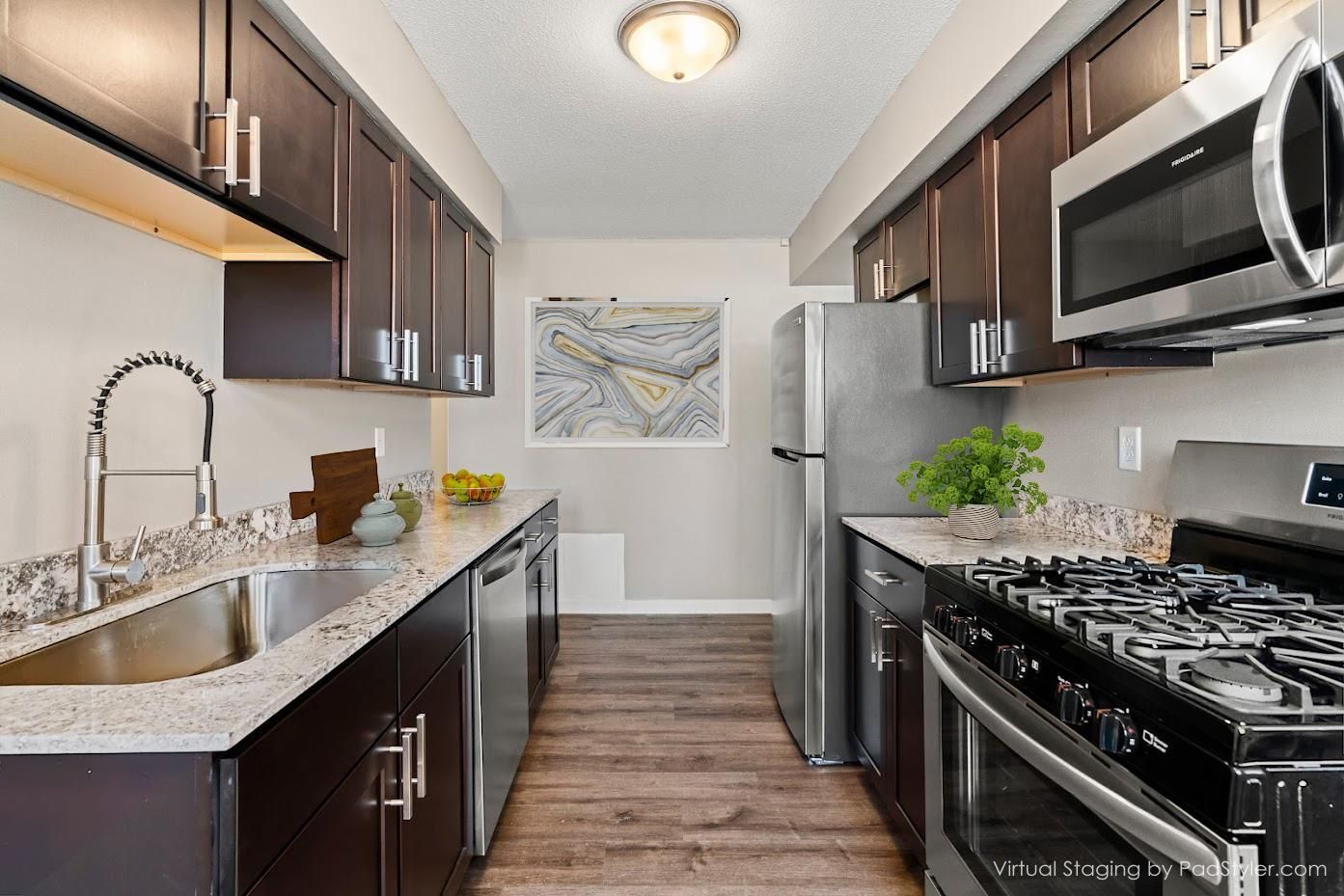
- Cabinet Repainting & New Hardware: Refinishing dark or outdated oak cabinets with modern neutral tones (such as crisp white, warm gray, or deep navy) paired with brushed nickel or matte black hardware instantly modernizes the space.
- Upgraded Fixtures & Faucets: Replacing contractor-grade chrome faucets with sleek gooseneck pull-down kitchen faucets adds functional elegance at minimal material cost.
- Framed Mirrors & Modern Vanity Lighting: Replacing bare builder-grade bathroom glass and tube lights with stylish framed mirrors and LED vanity fixtures transforms the bathroom experience.
3. Appliance & Countertop Refreshes
While stainless steel appliances used to be reserved for high-end luxury developments, they have become the standard expectation for renters seeking modern living spaces.
Cost-Effective Upgrades:
- Stainless Steel Appliance Packages: You don't need high-end commercial appliances; clean, standard stainless steel stove, refrigerator, and microwave packages create an immediate visual lift.
- Resurfaced or Quartz-Look Countertops: If solid quartz exceeds your budget, high-grade laminate countertops with stone textures or modern resurfacing coatings deliver a clean, modern aesthetic at a fraction of the price.
4. Modern Lighting, Hardware, and Color Palettes
Lighting and paint set the mood for the entire home tour. Outdated brass fixtures, yellowing dome lights, and dull beige walls make apartments feel dark and aged.
Low-Cost, High-Return Fixes:
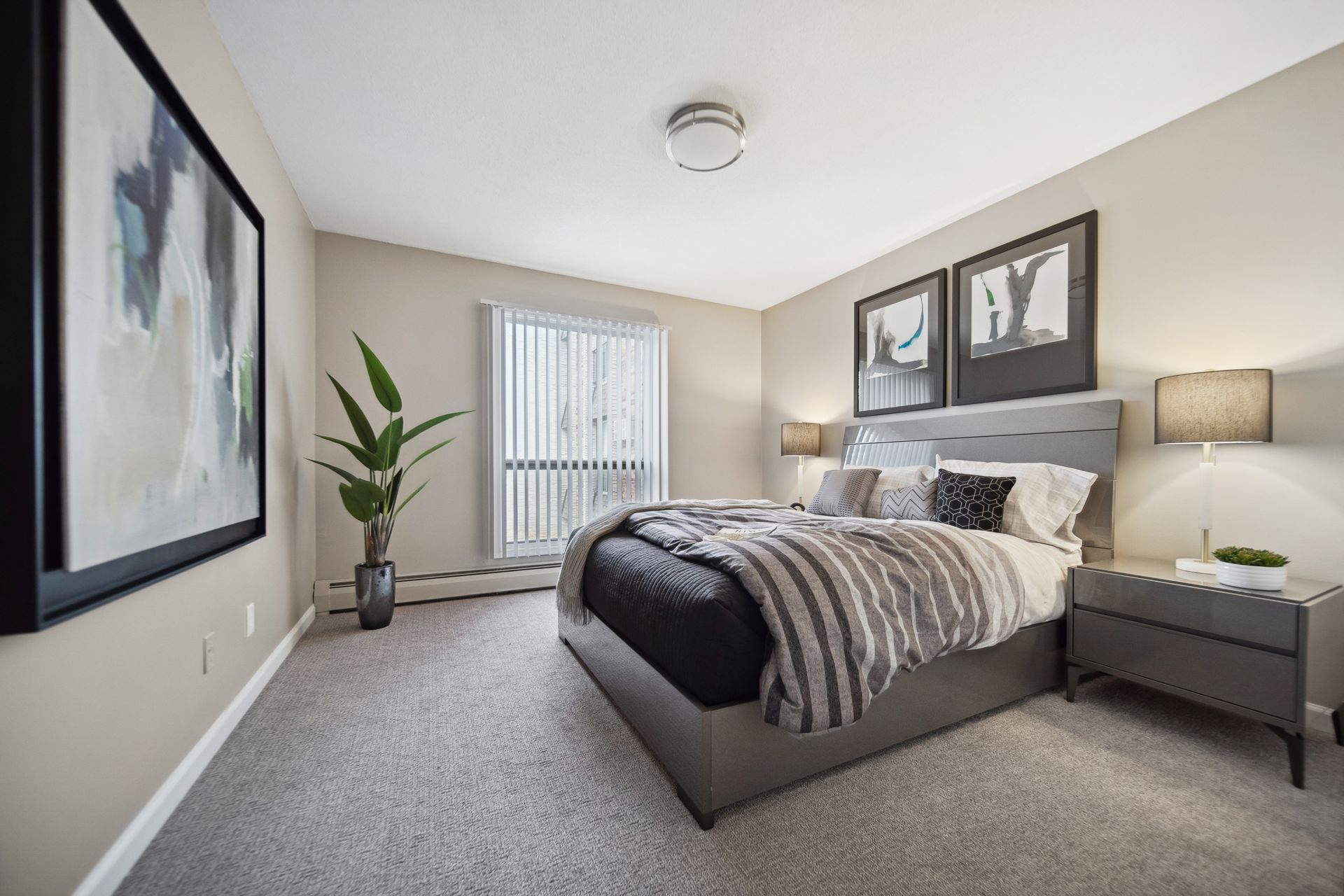
- Contemporary LED Lighting: Installing bright, energy-efficient LED flush-mount ceiling lights and modern accent fixtures illuminates dark hallways and makes rooms feel larger.
- Modern Paint Schemes: Shift from dated yellow-beiges to bright whites or light warm grays with crisp white trim.
- Matching Hardware Packages: Standardizing interior door handles, switch plates, and deadbolts creates a cohesive, high-quality look throughout the unit.
5. Adding Functional In-Unit Amenities
Beyond aesthetic finishes, incorporating modern functional amenities creates tangible everyday value for residents, justifying higher lease rates and boosting retention.
High-Value Functional Additions:
- In-Unit Washer/Dryer Additions: If plumbing and electrical layouts permit, adding stackable in-unit washer/dryer sets is often the single most requested amenity, frequently commanding a $75–$125 monthly rent premium on its own.
- Smart Home Tech Packages: Installing keyless electronic door locks and smart programmable thermostats costs under $300 per unit, but appeals heavily to tech-savvy renters while simplifying lockouts for property staff.
- Organized Closet Storage: Adding modular wire or laminate closet shelving turns basic closets into efficient storage spaces.
3 Rules for Value-Add Renovation Success
To maximize your return on investment and avoid common value-add pitfalls, follow these three core operational rules:
- Cap Turn Time at 7–10 Days: Vacancy loss is the enemy of ROI. Ensure all materials, trade contractors, and supply lines are lined up before the outgoing tenant hands over keys.
- Know Your Submarket Ceiling: Don't over-improve beyond what your specific submarket can support. Benchmark nearby comps in Minneapolis or suburban Hennepin/Anoka submarkets to ensure your target rent premium is achievable.
- Standardize Your Materials Palette: Use identical flooring, paint colors, light fixtures, and hardware across your portfolio. Standardizing materials simplifies inventory management, lowers bulk purchasing costs, and speeds up maintenance calls.
Unlock Your Portfolio’s Hidden Value
Executing a value-add multi-family strategy requires a balance between creative design choices, strict CapEx control, and disciplined turnover management. At Skyline Real Estate Services, we specialize in hands-on multi-family management, value-add renovation execution, proactive leasing, and capital improvement oversight designed to maximize asset value across the Twin Cities.
Ready to see how strategic unit upgrades can elevate your property's NOI? Contact the Skyline team today to evaluate your asset's value-add potential.
Frequently Asked Questions
What is a value-add strategy in multi-family property management?
A value-add strategy involves making targeted physical, operational, or aesthetic improvements to a rental property to increase its market appeal, raise Net Operating Income (NOI), and boost overall property value.
How much can small unit upgrades increase monthly rent?
Depending on the scope and submarket, targeted cosmetic upgrades (such as LVP flooring, modern lighting, updated cabinet hardware, and stainless steel appliances) typically drive rent premiums between $75 and $200+ per month per unit.
Which unit upgrades offer the highest Return on Investment (ROI)?
Replacing worn carpet with Luxury Vinyl Plank (LVP) flooring, updating kitchen/bath hardware and lighting fixtures, repainting cabinets, and adding keyless entry or in-unit laundry consistently yield the highest ROI with minimal turnover delay.
How long should a value-add unit renovation take during a tenant turn?
An efficient value-add unit turn should take between 5 and 10 business days. Pre-ordering materials and scheduling vendors in advance keeps turn times short and minimizes vacancy loss.
Skyline Blog