How to Manage Multi-Family Rental Properties in the Twin Cities from California
For California-based real estate investors seeking strong capitalization rates, consistent cash flow, and resilient multi-family fundamentals, the Minneapolis–Saint Paul metropolitan area offers an attractive alternative to compressed West Coast yields. Submarkets across the Twin Cities—such as Minneapolis, St. Louis Park, Brooklyn Center, Maple Grove, and Plymouth—provide strong price-to-rent ratios and a stable economic foundation driven by Fortune 500 employers.
However, owning multi-family assets from two time zones away presents distinct operational challenges. Managing sub-zero winter weather emergencies, staying compliant with local Hennepin/Ramsey County housing codes, and maintaining tenant relations require dedicated local infrastructure.
At Skyline Real Estate Services, we act as the boots-on-the-ground operating partner for out-of-state and California-based multi-family investors. Here is a tactical guide on how remote owners successfully manage Twin Cities apartment properties without sacrificing performance or peace of mind.
4 Strategic Pillars for California-Based Multi-Family Owners
- Pillar 1
Local Winterization & Weather Emergency Preparedness
West Coast investors are often unfamiliar with the operational demands of Minnesota winters. Managing properties from California requires a local team that executes proactive autumn heating tune-ups, boiler inspections, pipe insulation audits, and commercial snow removal contracts long before temperatures drop below freezing.
- Pillar 2
Strict Alignment with Local Municipal Ordinance Compliance
Twin Cities municipalities maintain unique regulations that differ significantly from California tenant law. From Minneapolis’s mandatory 14-day pre-eviction notice requirements and screening caps to localized rental licensing tiers and annual city inspections, having a local management team prevents compliance delays and administrative penalties.
- Pillar 3
Real-Time Digital Portals & Transparent Financial Reporting
Distance requires complete accounting transparency. California investors should insist on 24/7 online owner portal access featuring digital rent roll tracking, real-time maintenance work order logs, itemized vendor invoices, and automated direct deposit distributions.
- Pillar 4
Active NOI Optimization via Value-Add Management
Passive remote ownership can lead to stagnant rents and creeping operating expenses. A proactive local manager executes value-add strategies specifically suited for Twin Cities properties—such as implementing Ratio Utility Billing Systems (RUBS), executing high-ROI unit updates during turns, and monetizing garage or parking spaces.
Remote Operational Models: California Self-Management vs. Local Partnership
Attempting to manage Minnesota multi-family assets remotely without a dedicated local partner exposes investors to operational friction and elevated turnover risks:
| Operational Focus Area | California Self-Management Challenges | Skyline Real Estate Services Management |
|---|---|---|
| Time Zone & Dispatch | 2-hour delay; delayed response to midnight pipe freeze or boiler emergencies | 24/7 local emergency dispatch team on-site in Minneapolis within minutes |
| Vendor & Repairs Oversight | Unvetted out-of-state contractor rates and unverified completion photo proof | Pre-negotiated bulk vendor rates with documented digital work order photo logs |
| City Code & Inspections | Risk of missed municipal notices, inspection fails, or license downgrades | Proactive pre-inspection walkthroughs to ensure Tier 1 rental licensing standing |
| Leasing & Tenant Vetting | Reliance on third-party lockboxes and unassisted self-guided tours | Targeted local digital marketing, in-person showings, and compliant screening |
| Utility Expense Control | Master-metered utility bills paid entirely by owner, compressing yields | Seamless RUBS utility implementation to reallocate water/gas costs back to tenants |
California Investor Insight: Out-of-state investing succeeds when you separate asset ownership from daily operational execution. A trusted local management partner protects your physical asset while delivering hands-free cash flow back to your California desk.
3 High-Yield Opportunities for Out-of-State Twin Cities Portfolios
Maximizing returns on Twin Cities multi-family acquisitions involves leveraging local market dynamics:
- RUBS Utility Reallocation: Transfer master-metered water, gas, and trash costs back to residents legally and transparently, generating immediate dollar-for-dollar NOI growth.
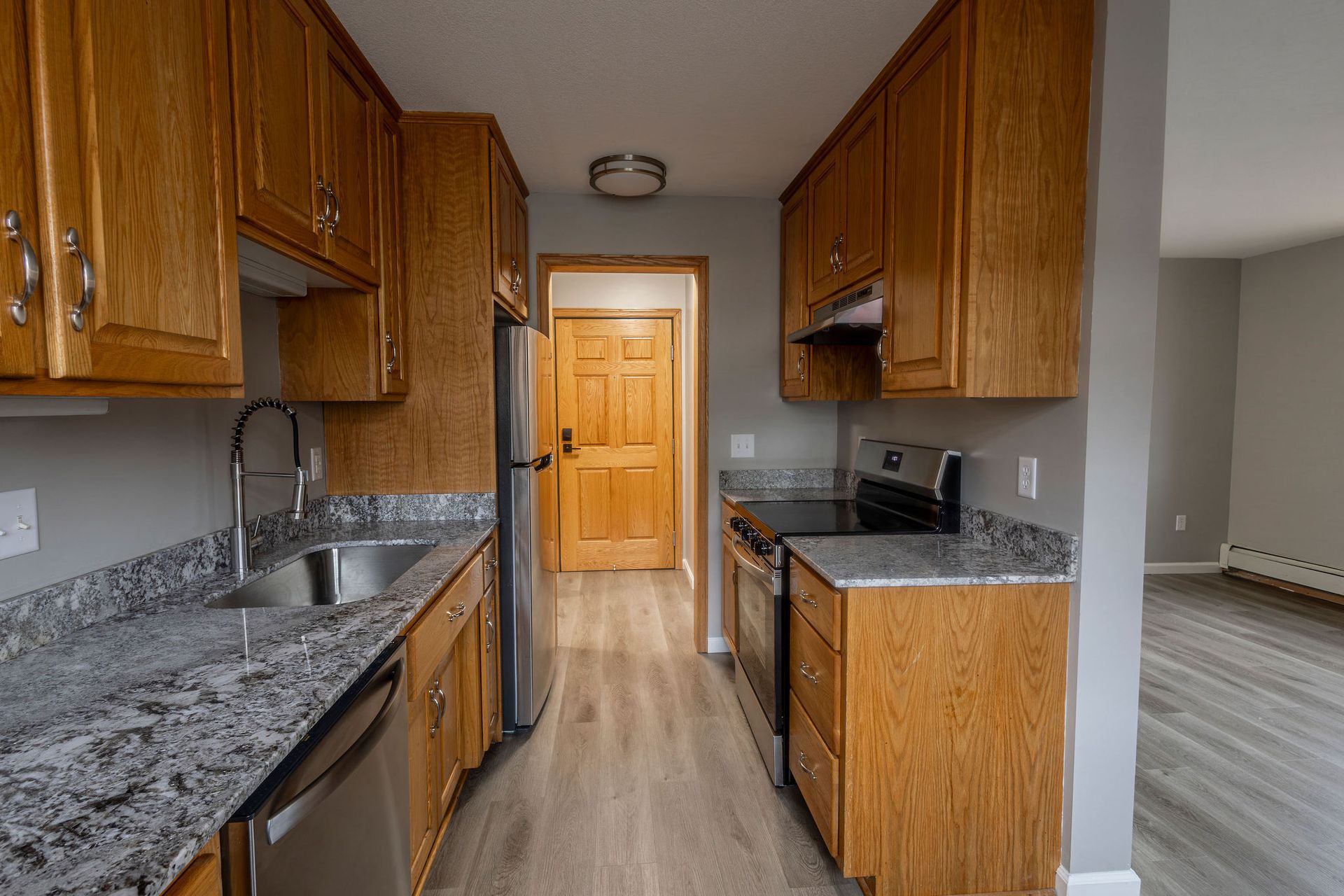
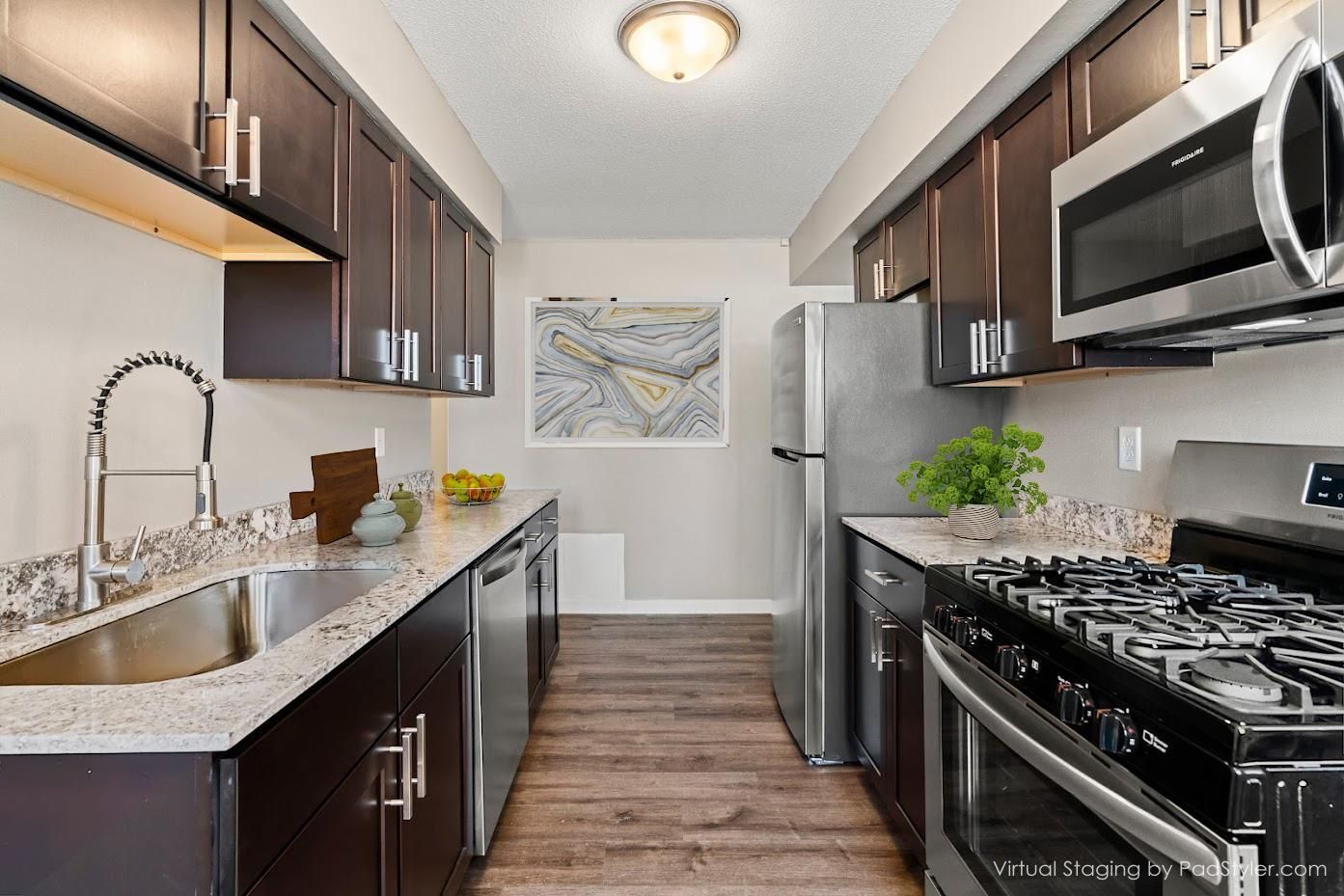
- Turnkey Interior Unit Refreshes: Coordinate cost-effective unit updates—such as durable Luxury Vinyl Plank (LVP) flooring, painted cabinetry, and updated hardware—to capture significant rent premiums.
- Seasonal Garage & Parking Monetization: Charge dedicated monthly parking fees for covered garages and off-street spots, which command premium rates during Minnesota winter months.
Frequently Asked Questions (FAQ)
The Twin Cities metro offers higher capitalization rates, lower entry costs per unit, strong rental demand driven by Fortune 500 employers, and stable long-term multi-family market fundamentals compared to compressed California coastal yields.
Professional management firms maintain 24/7 emergency dispatch protocols, remote temperature sensors in boiler rooms, and pre-negotiated contracts with local HVAC, plumbing, and snow removal vendors to handle freeze events immediately.
Skyline Real Estate Services provides out-of-state owners with 24/7 access to an online owner portal, delivering real-time financial reporting, rent rolls, itemized repair invoices, and direct deposit disbursements.
Yes. Managing property for others in Minnesota generally requires a licensed real estate broker. Partnering with a licensed local management firm ensures full compliance with state real estate laws, trust accounting rules, and municipal rental ordinances.