How Can Property Managers Increase Net Operating Income (NOI) on Older Apartments?
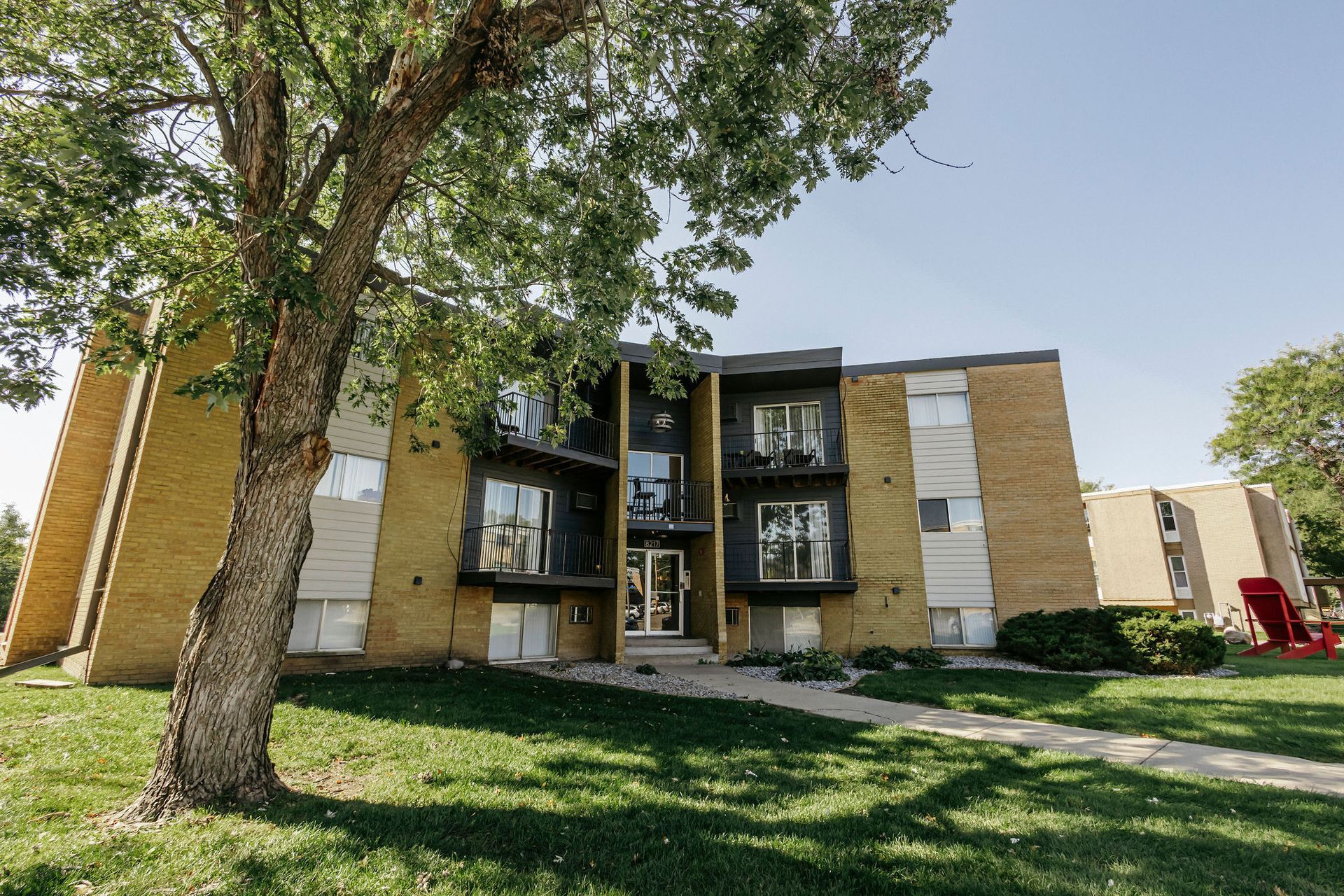
Across the Minneapolis–Saint Paul metropolitan area—from vintage brick complexes in Minneapolis to mid-century multi-family inventory in Brooklyn Center, St. Louis Park, Maple Grove, and Plymouth—older apartment buildings represent one of the highest-yielding asset classes in commercial real estate. However, unoptimized operating expenses, aging mechanical systems, and below-market rents can quickly compress your Net Operating Income (NOI).
Increasing NOI on legacy multi-family properties requires a dual strategy: maximizing revenue streams through targeted, high-ROI updates while reducing controllable operating expenses through proactive operational management.
At Skyline Real Estate Services, we specialize in transforming legacy multi-family assets into high-performing commercial properties. Here is a tactical guide on how professional property managers elevate NOI on older apartment communities across the Twin Cities.
5 High-Impact Value-Add Levers for Legacy Multi-Family Assets
- Strategy 1
Execute Targeted "Light" Unit Interior Renovations
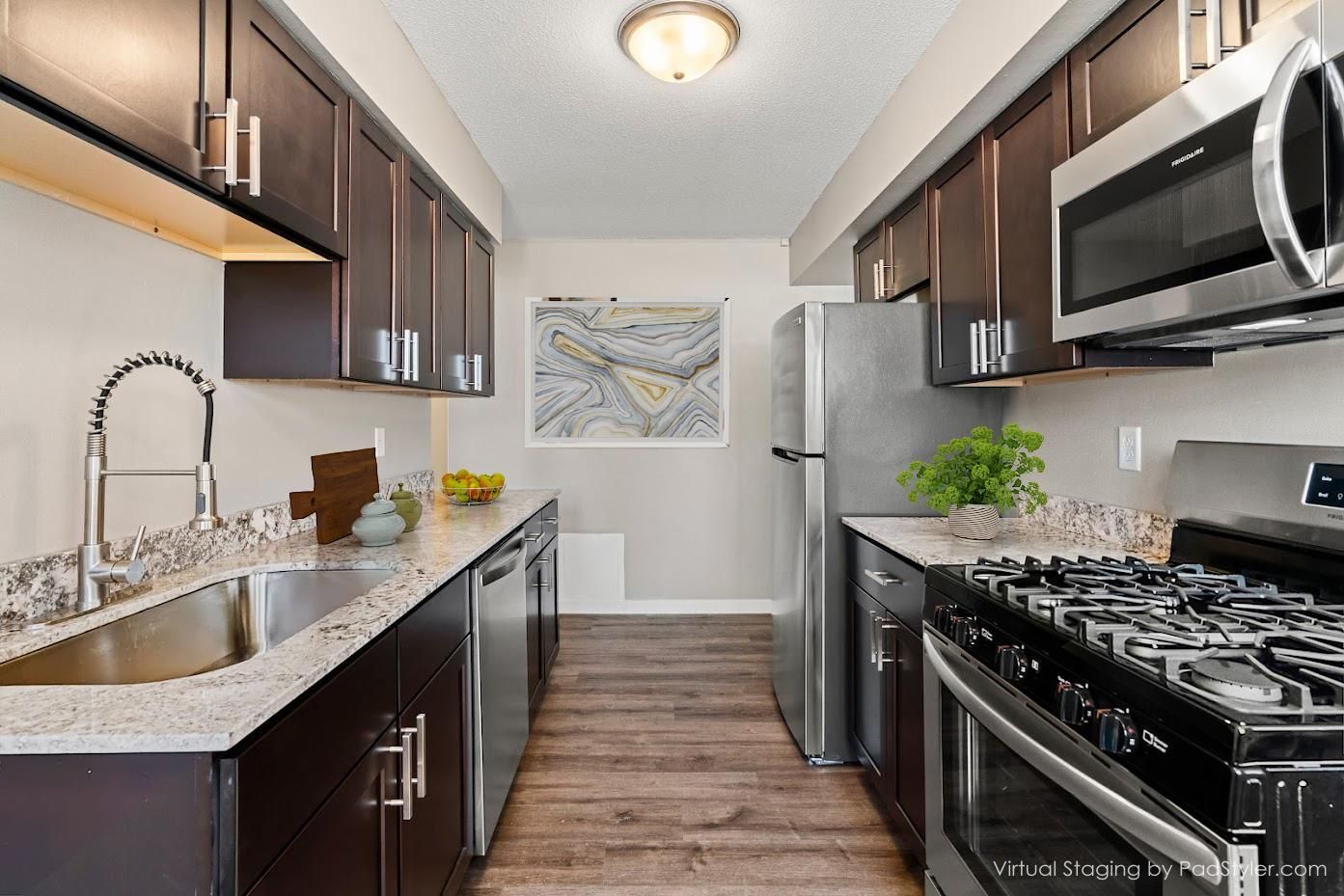
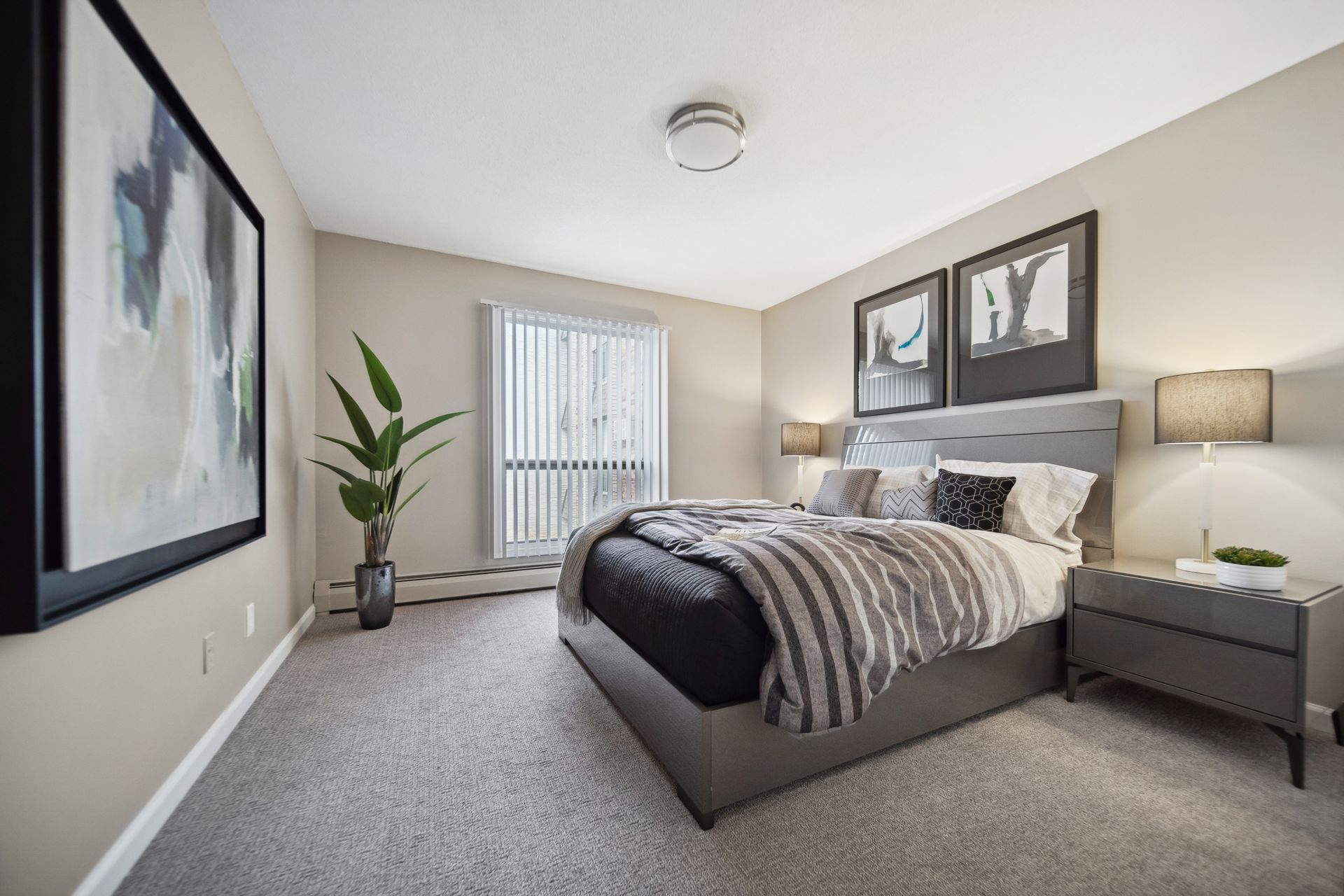
Full gut rehabs are costly and disrupt cash flow. Instead, focus on high-yield interior updates during unit turns: replacing worn carpeting with modern Luxury Vinyl Plank (LVP) flooring, installing updated cabinet hardware, modernizing light fixtures, and painting with modern neutral palettes. In Twin Cities submarkets, a $3,000–$5,000 unit refresh frequently commands $125–$200+ in monthly rent increases.
- Strategy 2
Implement Ratio Utility Billing Systems (RUBS)
In older apartment buildings, water, sewer, gas, and trash are often bundled into a single master meter paid entirely by the owner. Implementing a compliant Ratio Utility Billing System (RUBS) allocates utility costs back to residents based on occupancy or square footage. Transferring 60%–80% of utility expenses to tenants directly reduces operating expenses, driving dollar-for-dollar NOI growth.
- Strategy 3
Monetize Unused Building Space & Ancillary Services
Older apartment layouts often contain underutilized basement, garage, or storage areas. Property managers can unlock new revenue by converting unused space into assigned resident storage lockers, implementing reserved off-street parking fees, adding coin/app-operated laundry facilities, or offering opt-in pet rent programs.
- Strategy 4
Shift from Reactive Repairs to Preventive Maintenance
Emergency maintenance calls during freezing Minnesota winters are significantly more expensive than planned servicing. Establishing a preventive maintenance schedule for boilers, furnaces, roofs, and plumbing infrastructure prevents catastrophic equipment failures, lowers contractor emergency markups, and extends mechanical lifespan.
- Strategy 5
Drive Tenant Retention & Reduce Turnover Costs
Unit turnover is one of the largest hidden profit killers in multi-family ownership, costing $3,000 to $5,000 per turn in lost rent, cleaning, and marketing. High-touch customer service, prompt maintenance response times, and online resident portals keep retention high, preserving steady rental revenue.
How NOI Improvements Directly Boost Property Valuation
In commercial real estate, every single dollar added to annual Net Operating Income compounds your overall building valuation. The table below illustrates how modest operational improvements increase asset value at typical Twin Cities capitalization rates (assuming a 6.5% cap rate):
| Operational Improvement Initiative (20-Unit Building) | Monthly Value Added | Annual NOI Increase | Estimated Valuation Increase (at 6.5% Cap) |
|---|---|---|---|
| $150/mo Rent Lift via LVP Flooring Updates(15 Units) | $2,250 / mo | $27,000 / yr | +$415,384 |
| RUBS Utility Billing Implementation($45/unit) | $900 / mo | $10,800 / yr | +$166,153 |
| Reserved Garage / Off-Street Parking Fees($50/spot) | $500 / mo | $6,000 / yr | +$92,307 |
| Pet Rent Program($30/mo on 8 units) | $240 / mo | $2,880 / yr | +$44,307 |
| TOTAL COMBINED NOI IMPACT | $3,890 / mo | $46,680 / yr | +$718,151 In Asset Equity |
The Multi-Family Valuation Rule: At a 6.5% capitalization rate, every $1,000 increase in annual Net Operating Income adds roughly $15,384 in direct asset equity. Operational efficiency isn't just about cash flow—it's equity creation.
3 Expense Reduction Strategies for Older Twin Cities Buildings
In addition to raising revenue, reducing recurring operational waste is critical for legacy assets:
- Energy Efficiency Upgrades: Retrofitting common area lighting with commercial LEDs, installing smart thermostats, and adding low-flow water fixtures across all units yields immediate utility bill reductions with fast payback periods.
- Contractor & Vendor Bid Renegotiation: Master service agreements across multiple buildings allow property managers to secure volume pricing on landscaping, snow removal, trash collection, and insurance coverage.
- Property Tax Appeal Oversight: Assessed valuations on commercial properties frequently rise faster than market conditions justify. Active property tax monitoring and formal tax appeals keep line-item tax expenses controlled.
Frequently Asked Questions (FAQ)
Net Operating Income (NOI) is a property's total gross revenue minus all necessary operating expenses (maintenance, taxes, insurance, management fees, utilities). It excludes principal and interest payments on mortgages and capital improvement expenditures.
RUBS is a method of dividing a master-metered building's utility costs (water, sewer, gas, trash) among residents based on unit occupancy or square footage. It is widely used and legal in Minnesota when disclosed properly in the lease agreement.
Installing durable Luxury Vinyl Plank (LVP) flooring, updating kitchen cabinet hardware, adding modern light fixtures, installing low-flow plumbing fixtures, and applying fresh modern paint deliver the highest rent premiums relative to capital outlay.
Commercial multi-family assets are valued based on capitalization rates (Value = NOI / Cap Rate). Because valuation is directly tied to income, any permanent increase in NOI instantly raises the property's overall market equity.