Northwest Twin Cities Property Managers: Submarket Performance Trends
The Northwest Twin Cities corridor—spanning Maple Grove, Plymouth, Brooklyn Center, Champlin, Osseo, and Crystal—represents one of the most dynamic real estate submarkets in the Minneapolis–Saint Paul metropolitan area. Driven by robust job growth, top-tier school districts, and convenient freeway connectivity via I-94, I-494, and Highway 169, commercial and multi-family residential assets in this region consistently perform above regional averages.
However, performance trends vary substantially from one city to the next. What drives tenant demand in a luxury Class A community in Maple Grove differs significantly from the value-add rental dynamics in Brooklyn Center or Crystal.
At Skyline Real Estate Services, we closely monitor local submarket data to help real estate investors maximize Net Operating Income (NOI) and capture long-term equity growth. Here is an in-depth breakdown of current submarket performance trends across the Northwest Twin Cities corridor.
4 Key Performance Drivers Across Northwest Submarkets
Navigating Northwest metro investments requires tailoring leasing, capital expenditure, and tenant retention strategies to local demographic trends:
- Trend 1
High-Barrier Class A Demand in Maple Grove & Plymouth
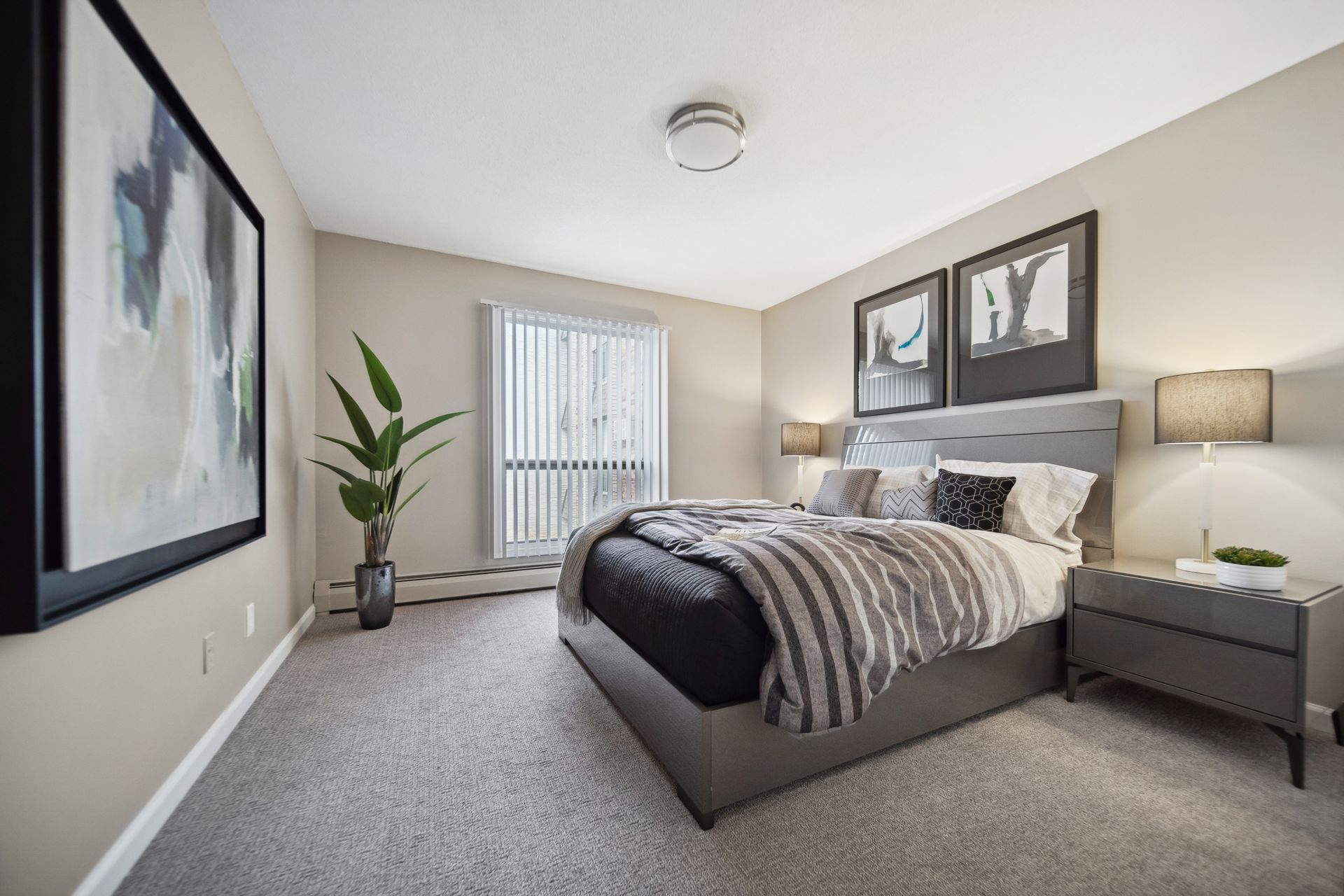
Maple Grove and Plymouth continue to command the highest average rents in the Northwest submarket. Driven by corporate employment hubs, retail expansion, and highly rated school districts, tenants prioritize modern amenities, garage parking, and premium finishes. Professional management focuses on high-touch service and amenity optimization to justify top-of-market pricing.
- Trend 2
Value-Add Multi-Family Upside in Brooklyn Center & Crystal
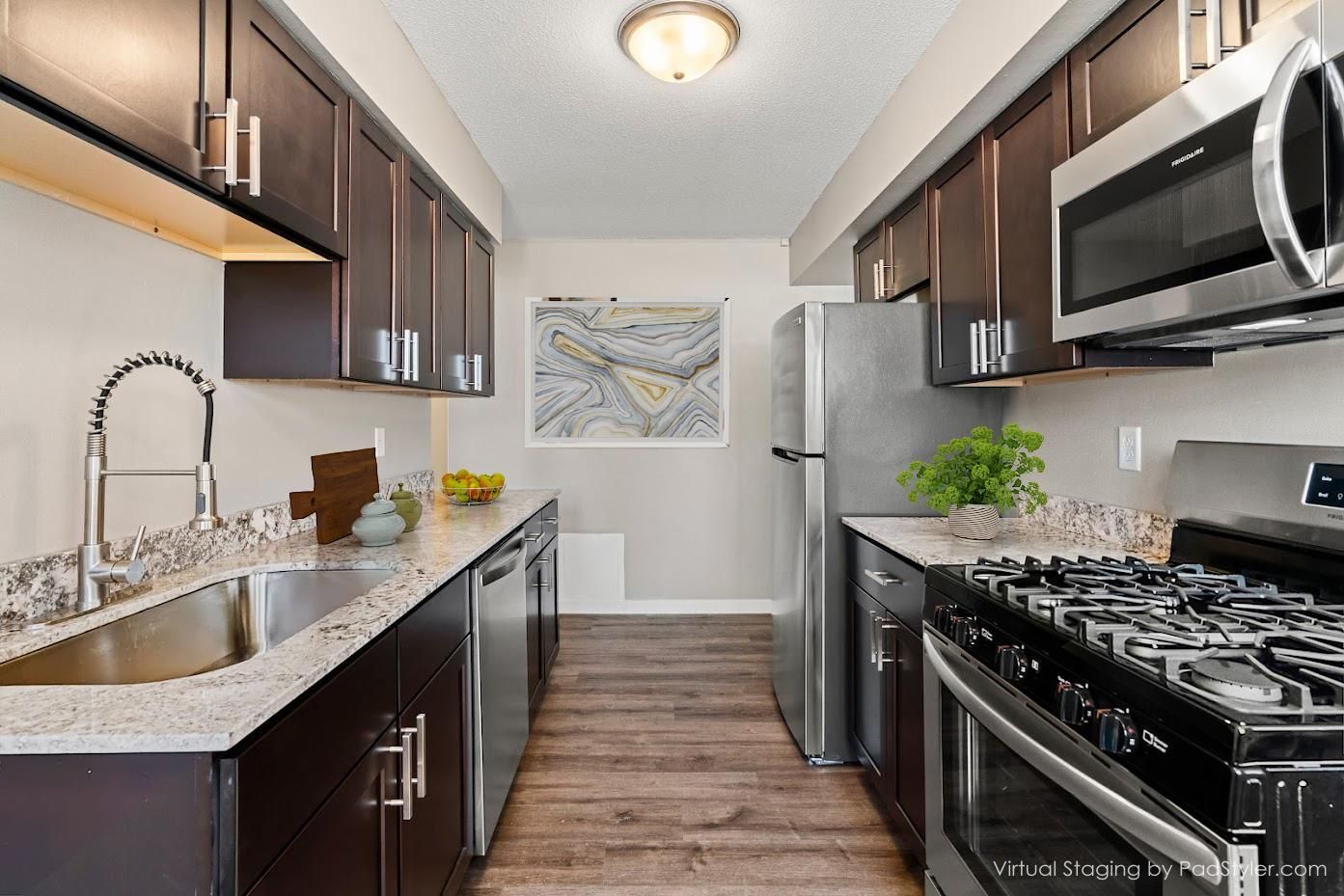
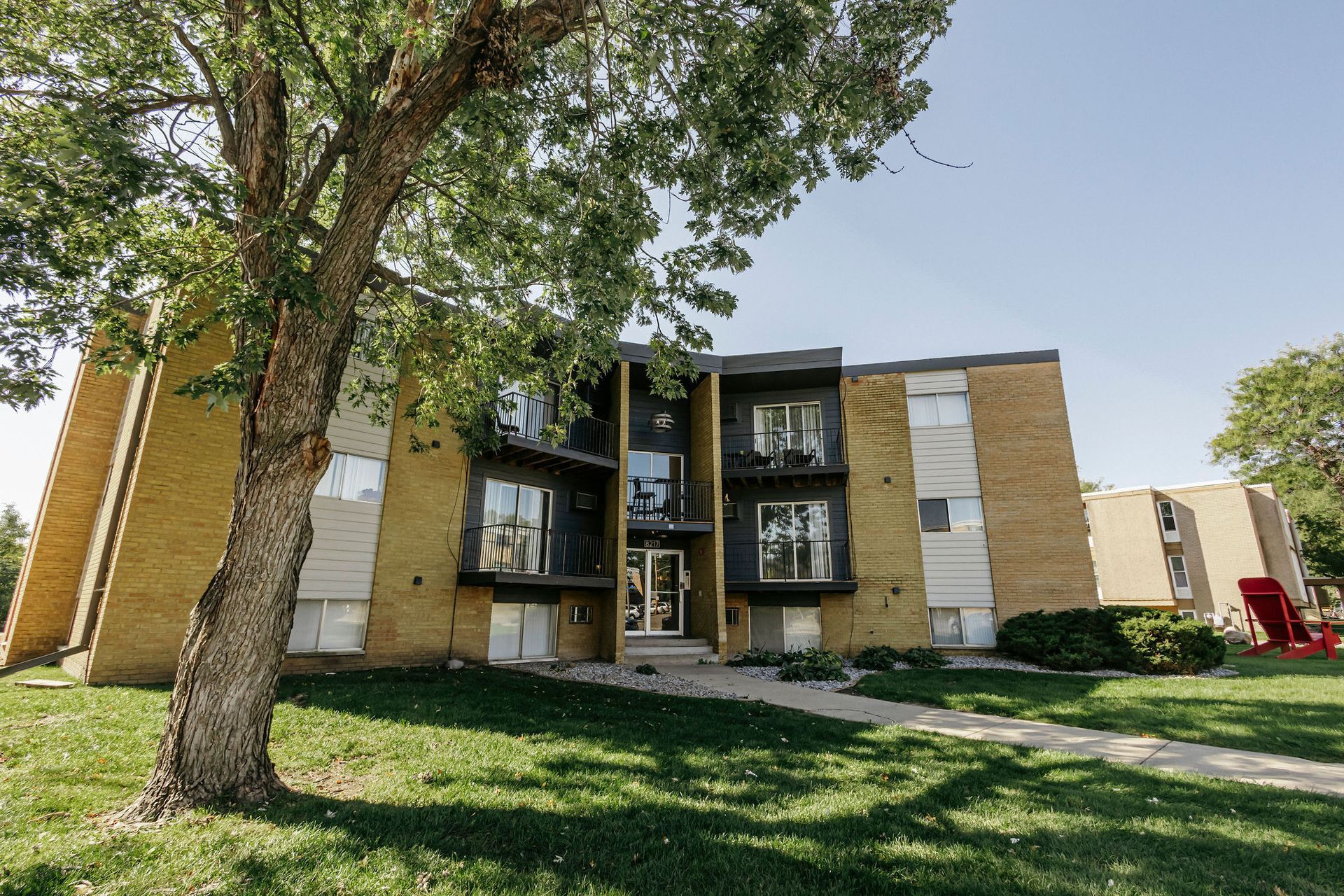
For yield-focused investors, inner-ring suburbs like Brooklyn Center and Crystal offer prime value-add potential. Older 1960s–1980s brick apartment inventory responds exceptionally well to targeted interior updates (such as LVP flooring and modern fixtures), generating significant rent lifts while maintaining low vacancy rates.
- Trend 3
Stable Suburban Cash Flow in Champlin & Osseo
Champlin and Osseo deliver stable, low-turnover rental environments characterized by long-term resident retention. Properties in these submarkets benefit from strong community appeal and proximity to regional parks along the Mississippi River, requiring proactive preventive maintenance to preserve steady NOI.
- Trend 4
Shift Toward Localized Compliance & Utility Billing (RUBS)
Across all Northwest submarkets, rising municipal utility costs and shifting local regulations have prompted property managers to adopt Ratio Utility Billing Systems (RUBS). Reclaiming utility costs directly preserves profit margins for owners facing inflated municipal operational fees.
Northwest Twin Cities Submarket Performance Overview
Understanding regional rent metrics, occupancy trends, and investment profiles allows owners to align operational goals with local submarket reality:
| Submarket / City | Primary Asset Class | Average 2-Bed Rent Range | Dominant Management Strategy |
|---|---|---|---|
| Maple Grove | Class A & B+ Multi-Family / Townhomes | $1,750 – $2,200 / mo | Premium amenity management, rapid digital leasing, and tenant retention focus. |
| Plymouth | Class A & B Multi-Family / Corporate Commercial | $1,700 – $2,100 / mo | High-end unit turns, professional groundskeeping, and responsive maintenance care. |
| Brooklyn Center | Class B & C Value-Add Multi-Family | $1,300 – $1,450 / mo | RUBS utility implementation, municipal code compliance, and value-add renovations. |
| Champlin | Class B Multi-Family / Single-Family Rentals | $1,450 – $1,700 / mo | Long-term tenant retention, seasonal winterization, and preventive mechanical upkeep. |
| Crystal & Osseo | Class B & C Multi-Family Assets | $1,250 – $1,450 / mo | Strict tenant vetting, low-turnover strategies, and cost-controlled vendor management. |
Submarket Takeaway: High demand across the Northwest metro means well-maintained properties achieve near-peak occupancy. However, realizing top yields requires hyper-local operational execution tailored to each specific municipality's tenant demographics and housing codes.
3 Ways Local Management Capitalizes on Northwest Metro Trends
Maximizing returns in the Northwest submarkets requires boots-on-the-ground operational strength:
- Optimized Digital Marketing: Leveraging regional SEO, localized virtual tours, and syndication across major listing platforms ensures rapid fill times during unit turnover.
- Proactive Winterization & Site Visits: Minnesota winter weather demands routine mechanical checks, roof inspections, and reliable snow removal contracts to protect building infrastructure.
- Streamlined Owner Portals: Providing real-time financial reporting, work order tracking, and direct deposit disbursements keeps out-of-state and local owners fully informed.
Frequently Asked Questions (FAQ)
The Northwest Twin Cities submarket combines strong economic fundamentals, expanding infrastructure, excellent school districts, and a diverse range of inventory—from luxury developments in Maple Grove to value-add opportunities in Brooklyn Center.
Maple Grove properties generally focus on luxury amenity management, premium finishes, and top-of-market pricing. In Brooklyn Center, effective management emphasizes value-add unit renovations, strict municipal rental code compliance, and utility cost-sharing systems like RUBS.
Well-managed multi-family properties across the Northwest metro consistently maintain strong occupancy rates, typically averaging between 95% and 97%, driven by steady regional employment and commuter convenience.
Skyline Real Estate Services provides full-service property management across the Northwest submarkets, handling tenant placement, 24/7 emergency maintenance, municipal inspection compliance, and transparent financial reporting.